

How to Tell if Coffee Beans Are Stale
Table of Contents
- Visual Indicators That Coffee Beans Are Stale
- Aroma and Scent Changes in Stale Beans
- How Long Do Coffee Beans Last Before Going Stale
- The Best Way to Store Coffee Beans for Maximum Freshness
- Signs of Rancid Coffee Beans and Flavor Degradation
- Why Coffee Beans Go Stale: Oxidation and Degassing
- Brewing Adjustments for Older Beans
- Conclusion
- Frequently Asked Questions
Last Updated: September 27, 2026
Visual Indicators That Coffee Beans Are Stale
Learning how to tell if coffee beans are stale starts with looking at their surface. Fresh beans have a smooth, oily sheen. Stale beans look dull and chalky.
When coffee beans age, they lose moisture and oils migrate unevenly. This creates a papery, faded appearance. The color shifts from vibrant to muted. If your beans look gray or washed out instead of rich and dark, they've lost their freshness.
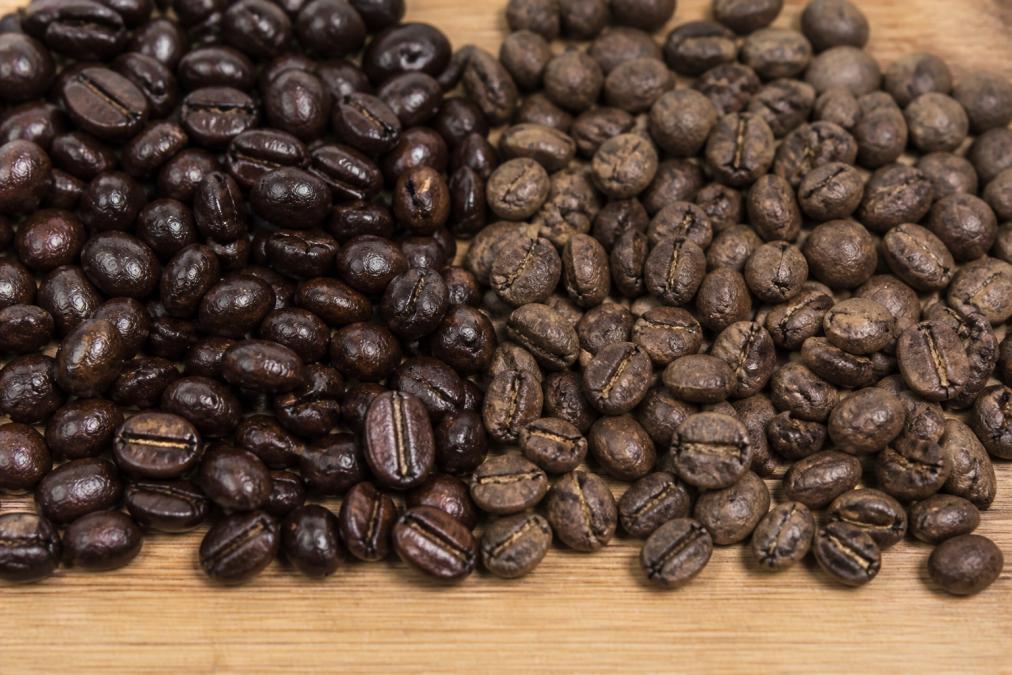
Another visual clue is the presence of small cracks or fractures on the bean surface. Fresh beans are intact. Old beans develop tiny splits as they lose internal moisture. This cracking happens gradually, but it's a reliable sign that oxidation has progressed.
Check for uneven coloring too. Fresh coffee beans roasted to order maintain consistent color throughout the batch. Stale beans show lighter patches or streaks where oils have evaporated. This spotty appearance indicates the beans are past their prime.
Look at the roast date on the bag. Beans roasted more than four weeks ago have likely begun losing their visual appeal. At Cenia's Coffee, we roast to order specifically to preserve that fresh appearance and the flavor that comes with it.
Aroma and Scent Changes in Stale Beans
Smell is your most powerful tool for detecting stale coffee beans. Fresh beans have a strong, inviting aroma. Stale beans smell flat, muted, or even musty.
When beans are roasted, they release aromatics, the volatile compounds that make coffee smell amazing. Over time, these aromatics evaporate into the air. A fresh bean smells vibrant and complex. A stale bean smells hollow and one-dimensional.
Open a bag of fresh beans and breathe in. You should detect multiple scent layers: fruity notes, chocolatey undertones, maybe floral hints. Stale beans smell like cardboard or paper. Some smell slightly musty or like old wood. These are signs that oxidation has stripped away the good smells.
The strength of aroma matters too. Fresh beans fill a room with scent. You notice it immediately when you open the bag. Stale beans barely smell like anything. You have to stick your nose right into the bag to catch a faint odor.
If the beans smell rancid, sharp, sour, or unpleasant, they've crossed into genuinely bad territory. Rancid beans won't make a good cup. Toss them and start fresh.
How Long Do Coffee Beans Last Before Going Stale
Fresh roasted coffee beans stay at peak freshness for about two to four weeks after roasting. This window is when you get the best flavor, aroma, and complexity.
The first week after roasting is actually ideal for most brewing methods. The beans are still degassing, releasing carbon dioxide that was trapped during roasting. This process continues for several days, and the beans taste best once initial degassing is complete but before oxidation takes hold.
From week two to week four, beans remain quite good. The flavor is still vibrant. The aroma is still strong. Most home coffee drinkers won't notice much decline during this period if beans are stored properly.
After four weeks, decline accelerates. By week six, most beans have lost noticeable complexity and brightness. The acidity flattens. The flavor becomes dull. By week eight, the beans are genuinely stale.
Several factors affect how long beans last:
- Roast level: Dark roasts go stale slightly faster than light roasts because darker beans have larger surface cracks
- Storage conditions: Beans in an airtight container last longer than beans exposed to air
- Temperature: Cool, stable temperatures slow oxidation
- Humidity: Dry air is better than humid air for shelf life
The roast date matters more than the purchase date. If you buy beans that were roasted three weeks ago, you have maybe one to two weeks of peak freshness left. This is why how long do coffee beans last depends entirely on when they were roasted.
| Storage Method | Freshness Window | Best For |
|---|---|---|
| Airtight container, cool dark place | 4-6 weeks | Most home brewers |
| Vacuum-sealed bag, pantry | 3-4 weeks | Regular drinkers |
| Opened bag, kitchen counter | 1-2 weeks | Quick consumption |
| Freezer (airtight) | 2-3 months | Long-term storage |
The Best Way to Store Coffee Beans for Maximum Freshness
The best way to store coffee beans is in an airtight container away from light, heat, and moisture. These four enemies, air, light, heat, and humidity, destroy freshness.
An airtight container is non-negotiable. Oxygen triggers oxidation, which breaks down the compounds that make coffee taste good. Use containers with tight-sealing lids. Glass jars with rubber gaskets work well. Specialized coffee canisters designed with one-way valves are even better because they let degassing gases escape while preventing oxygen from entering.
Single Origin Favorites Sample Pack →
Keep beans in a cool, dark place. A pantry or cabinet is ideal. Avoid the refrigerator, condensation forms when cold beans warm up, and moisture is the enemy. Avoid the freezer unless you're storing beans for months. Temperature fluctuations damage bean quality.
Light exposure fades bean color and accelerates oxidation. Store beans in an opaque container or a dark cupboard. If you use a clear jar, keep it in a dark space. Never leave beans on the counter in direct sunlight.
Humidity is a silent killer. Moisture causes mold and speeds up degradation. Keep beans away from the stove, dishwasher, and bathroom. A dry pantry is perfect.
Buy beans in quantities you'll use within four weeks. Smaller, more frequent purchases beat buying in bulk and storing for months. This is where the best way to store coffee beans connects to freshness: the fresher your starting point, the longer they'll taste good.
At Cenia's Coffee, we roast to order and ship quickly so your beans arrive at peak freshness. Proper storage at home extends that window, but starting with recently roasted beans makes all the difference.
Signs of Rancid Coffee Beans and Flavor Degradation
Rancid coffee beans are different from merely stale ones. Rancidity is a chemical breakdown that makes beans unsafe or unpleasant to drink. Staleness is loss of freshness. Both are problems, but rancidity is worse.
Rancid beans smell sharp and sour. Some describe the smell as vinegary or musty-sour. It's unpleasant and unmistakable once you know what to look for. If you open a bag and immediately think "that smells off," trust that instinct.
Rancid beans taste bitter and harsh in ways that go beyond normal stale flavor. Instead of a flat, dull cup, you get something actively unpleasant. The bitterness is sharp and lingering. Some rancid beans taste slightly soapy or chemical.
Flavor degradation happens gradually as beans age. Fresh beans have complexity, multiple taste notes that work together. A single-origin coffee might taste like chocolate, orange, and caramel all at once. As beans age, these flavors collapse into one flat, hollow taste.
The acidity changes too. Fresh beans have bright, clean acidity that adds liveliness to the cup. Stale beans lose this brightness. The acidity becomes dull or, in very old beans, turns sour in an unpleasant way.
Bitterness increases as beans age.
Signs of rancid coffee beans include:
- Smell: Sharp, sour, vinegary, or musty odor
- Taste: Harsh bitterness, soapy notes, chemical flavor
- Appearance: Visible mold, discoloration, or wet spots
- Texture: Beans that feel soft or crumbly instead of hard
Why Coffee Beans Go Stale: Oxidation and Degassing
Understanding why coffee beans go stale helps you protect them better. Two chemical processes are at work: oxidation and degassing.
Brewing Adjustments for Older Beans
If you have beans that are past peak freshness but not yet rancid, you can still make decent coffee with adjustments. Older beans need different brewing than fresh ones.
Conclusion
Knowing how to tell if coffee beans are stale keeps you from wasting time and money on mediocre cups. Look for dull color, check the aroma, and note the roast date. Store beans properly in airtight containers away from light and heat. Fresh beans are worth the effort because they make genuinely better coffee.
Frequently Asked Questions
What does stale coffee taste like?
Stale coffee tastes flat, dull, and hollow compared to fresh beans. You'll lose the vibrant acidity and complexity that define a quality cup. Instead of bright, nuanced flavors, stale beans produce a one-dimensional, papery taste. The bitterness becomes harsh rather than balanced, and any sweetness or fruity notes disappear entirely. If your coffee lacks the rich, smooth character you expect, staleness is often the culprit.
How long does it take for coffee beans to go stale?
Coffee beans begin losing flavor within 2-4 weeks of the roast date, though they remain drinkable for 4-6 weeks if stored properly. Peak freshness occurs in the first 2-4 weeks when aromatics and acidity are most vibrant. After 6 weeks, noticeable degradation occurs through oxidation and degassing. Whole beans last longer than ground coffee, which stales within days due to increased surface area exposure to oxygen.
Can you still use stale coffee beans?
Yes, stale beans are safe to use and won't harm you, but the flavor will be significantly compromised. They won't taste rancid or spoiled unless exposed to moisture or extreme conditions. However, if you're seeking the smooth, rich experience that fresh-roasted coffee delivers, stale beans won't satisfy. Consider adjusting your brewing method, use slightly hotter water, increase steeping time, or grind finer to extract more from older beans.
Does the roast date on the bag matter for freshness?
Yes, the roast date is critical for determining freshness. Coffee beans don't have an expiration date; they have a roast date. Beans are freshest 2-4 weeks after roasting and begin declining in flavor after 6 weeks. Always check the roast date on your bag, it's the most reliable indicator of when your beans were processed. Avoid beans without a visible roast date, as you won't know how long they've been sitting in storage.