

How Roast-to-Order Coffee Works: A Step-by-Step Guide
Table of Contents
- What Is Roast-to-Order Coffee and Why It Matters
- Step 1: Green Bean Selection and Storage
- Step 2: Understanding the Roasting Schedule and Roast Profile
- Step 3: The Coffee Degassing Process After Roasting
- Step 4: Packaging With One-Way Valve Bags
- Peak Flavor Window for Coffee Beans: Timing Your Order
- How to Store Fresh Roasted Coffee for Maximum Freshness
- Brewing Adjustments for Ultra-Fresh Beans
- Frequently Asked Questions
Last Updated: September 19, 2026
What Is Roast-to-Order Coffee and Why It Matters
Roast-to-order coffee is coffee that gets roasted only after you place your order, rather than sitting on a shelf for weeks. This approach delivers beans at their peak freshness and flavor. At Cenia's Coffee, we believe this is the single biggest factor separating a mediocre cup from an exceptional one.
Here's why it matters: coffee degrades quickly after roasting. The moment heat hits those green coffee beans, a clock starts ticking. Volatile compounds escape. Oils oxidize. Flavor fades. Most coffee you buy in stores was roasted weeks or months ago. By the time it reaches your cup, the best notes are already gone.
Roast-to-order changes that equation completely. You get beans roasted to your exact specifications, shipped fresh, and brewed at their absolute peak. The difference isn't subtle. It's the reason specialty coffee enthusiasts swear by this method.
Below, we'll walk you through exactly how roast-to-order coffee works, from green bean selection all the way to brewing adjustments that maximize what those fresh beans can deliver.
Step 1: Green Bean Selection and Storage
The roast-to-order process starts long before any heat touches the beans. It begins with sourcing green coffee beans from trusted farms around the world.
Green beans are unroasted coffee seeds. They're stable and can last months in proper storage conditions. This is why roasters can hold inventory without losing quality. The storage environment matters tremendously. Temperature should stay cool and consistent. Humidity needs to be controlled.
Single-origin beans come from one specific farm or region. Blends combine beans from multiple origins. Each choice affects the final flavor profile.
Why green bean quality matters:
- Higher-quality beans produce better results after roasting
- Defects in green beans become more obvious after roasting
- Sourcing directly from farms ensures traceability
- Bean density and moisture content affect roasting time
When you order roast-to-order coffee, you're essentially saying: "I want beans roasted from this specific batch of green beans, right now, for my order." The roaster pulls beans from inventory that match your preferences and gets to work.
Step 2: Understanding the Roasting Schedule and Roast Profile
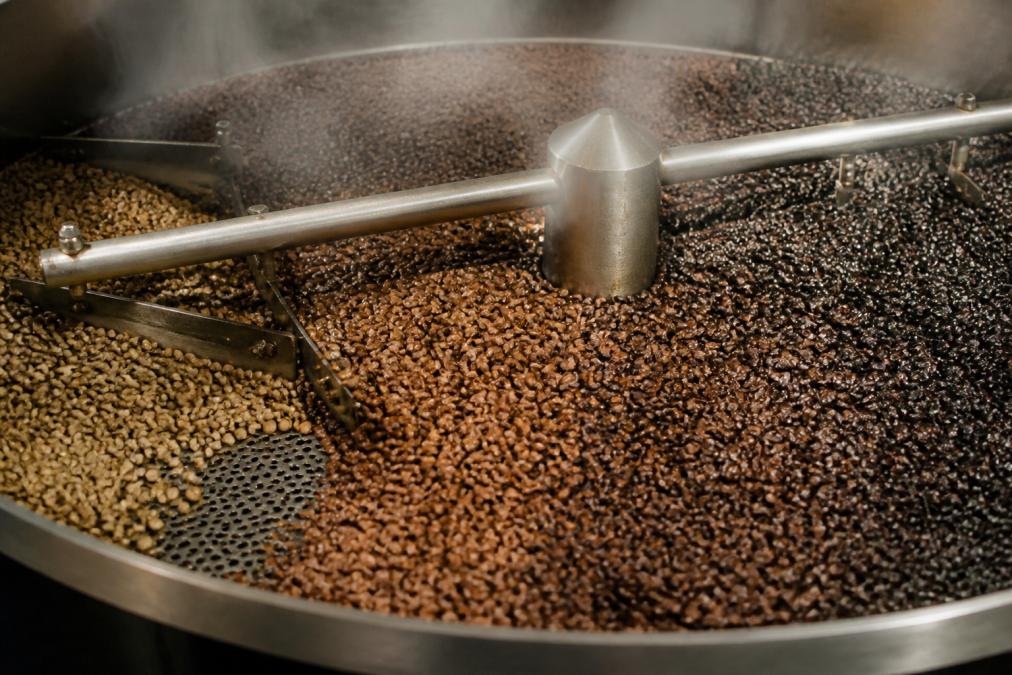
The roast profile is the blueprint for how beans will be heated. It controls temperature, time, and heat intensity. Different profiles produce different flavors.
A roast profile typically lasts 8-15 minutes, depending on the roaster's equipment and the desired roast level. Light roasts finish faster, around 8-10 minutes. Dark roasts take longer, 12-15 minutes. The roaster monitors bean color, listening for acoustic cues called "cracks" that signal chemical changes inside the bean.
The first crack is when the bean expands and splits slightly. This usually happens around the 7-8 minute mark for light roasts. The second crack happens later, typically around 11-12 minutes, and indicates a darker roast level. Most specialty coffee stays between first and second crack for optimal flavor balance.
Key elements of a roast profile:
- Charge temperature: How hot the roasting drum is when beans enter
- Heat application: How quickly temperature rises
- Development time: Minutes after first crack before cooling
- Drop temperature: When beans exit the roaster to cool
Roasters adjust these variables based on bean origin, density, and desired outcome. A single-origin bean roasted for pour-over will have a completely different profile than a dark-roasted blend meant for espresso.
When you order from Cenia's Coffee, you choose your roast level or specific roast profile. The roaster then executes that exact plan with your green beans.
Step 3: The Coffee Degassing Process After Roasting
Immediately after roasting, beans are incredibly active chemically. They release carbon dioxide and volatile compounds. This process is called degassing.
Degassing is essential. It's not something to skip or rush. Fresh-roasted beans need time to release CO₂ before they're brewed. If you brew too soon, the gas interferes with water extraction. The result is sour, underdeveloped coffee.
The timeline matters:
- 0-6 hours: Heavy degassing. Beans are too gassy for optimal brewing.
- 6-24 hours: Active degassing continues. Beans are drinkable but still improving.
- 24-72 hours: Peak flavor window. Beans have released most CO₂ but retain maximum aroma and flavor compounds.
- 3-4 weeks: Continued slow degradation. Flavor begins to fade noticeably.
- 4+ weeks: Significant flavor loss. Beans are stale.
One-way valve bags play a crucial role here. These bags allow CO₂ to escape while preventing oxygen from entering. Without them, pressure would build inside the bag, or oxygen would stale the beans. The valve maintains freshness during transit and storage.
Step 4: Packaging With One-Way Valve Bags
One-way valve bags are the unsung hero of roast-to-order coffee. They're designed with a one-directional membrane that lets gas out but not in.
Here's why they matter: roasted beans release carbon dioxide for days. If that gas has nowhere to go, pressure builds. If oxygen can enter freely, oxidation accelerates staling. A one-way valve solves both problems.
What makes a good one-way valve bag:
- Thick, multi-layer material (usually 4-5 layers)
- Proper valve positioning for easy degassing
- Resealable top for storage after opening
- Opaque material to block light
- Moisture barrier to protect beans
Cenia's Coffee packages roast-to-order beans in bags designed to preserve freshness. The bag protects beans from light, oxygen, and moisture while allowing safe degassing during transit.
When your order arrives, the beans have had time to degas safely but remain at peak flavor.
Peak Flavor Window for Coffee Beans: Timing Your Order
The peak flavor window for roasted coffee is roughly 3-7 days after roasting. This is when the coffee degassing process has stabilized and volatile flavor compounds are at their highest concentration.
Most coffee enthusiasts report the best cup happens around day 3-4. By day 7, flavor is still excellent but beginning to fade. By day 14, the decline becomes noticeable. By day 30, most coffee tastes noticeably stale.
This is the core advantage of roast-to-order. You're ordering beans that will arrive during this peak window, not weeks after roasting.
Timing your order matters:
If you order on Monday and receive delivery on Wednesday, your beans will be 2-3 days post-roast when they arrive. Perfect timing. Brew them immediately or within the next few days for peak flavor.
If you order multiple bags, stagger your orders. Don't buy a month's supply at once. Order weekly or bi-weekly so each batch arrives fresh.
How to Store Fresh Roasted Coffee for Maximum Freshness
Storage conditions after delivery determine how long your roast-to-order coffee stays excellent.
Temperature: Keep beans cool but not cold. Room temperature (65-75°F) is ideal. Avoid heat sources, direct sunlight, and humidity fluctuations. Don't store in the refrigerator or freezer. Cold temperatures draw moisture into the bag when you remove it.
Light: Store in a dark place. Light degrades coffee quickly. The opaque bag protects beans, but keeping the bag in a dark cabinet or pantry adds extra protection.
Air: Keep the bag sealed between uses. Fold the top down and close it tightly. The one-way valve lets CO₂ out but doesn't prevent oxygen from entering if the bag sits open.
Moisture: Keep beans away from humidity.
Brewing Adjustments for Ultra-Fresh Beans
Key adjustments for fresh beans:
| Roasting Stage | Timeline | What's Happening | Your Action |
|---|---|---|---|
| Green bean storage | Weeks to months | Beans remain stable in cool, dry conditions | Roaster maintains inventory |
| Roasting | 8-15 minutes | Heat transforms beans, develops flavor profile | Roaster executes your chosen profile |
| Degassing (initial) | 0-24 hours | Heavy CO₂ release, beans too gassy for brewing | Roaster waits before shipping |
| Transit & arrival | 2-3 days | One-way valve allows safe degassing during delivery | Check roast date upon arrival |
| Peak flavor window | Days 3-7 post-roast | Maximum flavor intensity, optimal for brewing | Brew immediately or within days |
| Storage (your home) | 2-3 weeks | Gradual flavor degradation if stored properly | Keep cool, dark, and sealed |
The roast-to-order model solves a problem that traditional coffee retail never could: beans get old. No matter how carefully a store handles them, weeks on a shelf means lost flavor. Roast-to-order eliminates that delay. You get beans roasted after you order them, shipped at peak freshness, and delivered ready to brew.
Frequently Asked Questions
How long does roast-to-order coffee stay fresh?
Roast-to-order coffee reaches peak freshness 3-7 days after roasting, as volatile compounds develop and carbon dioxide continues to release. After that, the beans begin to lose aroma and complexity, though they remain drinkable for several months. Ordering smaller quantities ensures you consume beans during their optimal window.
What is the coffee degassing process and why does it matter?
Degassing is the release of carbon dioxide that occurs after roasting. This affects water absorption during brewing and flavor extraction. One-way valve bags allow gases to escape while preventing oxygen from entering. Understanding this timeline helps you brew correctly: ultra-fresh beans may extract unevenly, while beans aged 4-7 days typically produce the most balanced cup. Waiting too long allows flavor compounds to oxidize and degrade.
Why is roast-to-order coffee considered superior to store-bought?
Store-bought coffee loses volatile compounds and develops stale flavors within days of roasting due to oxidation and moisture loss. Roast-to-order coffee is roasted only after you order, guaranteeing maximum freshness, aroma retention, and flavor profile complexity. The roast date is known precisely, letting you brew at the optimal degassing stage. Single-origin and small-batch roasts also showcase bean characteristics that fade quickly in aged coffee, making the freshness advantage especially noticeable for specialty-grade beans.
Do I need to adjust my brewing method for ultra-fresh roasted beans?
Yes. Ultra-fresh beans release carbon dioxide aggressively, which can cause uneven water flow in pour-over methods and lead to under-extraction. If brewing immediately, use slightly hotter water and extend contact time to compensate. Espresso machines may require slight pressure adjustments. As beans age through the peak flavor window, you may need to dial in grind size and water temperature to maintain consistency.
EXTERNAL LINKS VERIFICATION:
- SCAA coffee standards and roasting guidelines
- National Coffee Association brewing recommendations
- Specialty Coffee Association roast profile standards