

Benefits of Buying Freshly Roasted Coffee Beans
Table of Contents
- Why Freshly Roasted Coffee Beans Matter More Than You Think
- Superior Flavor Profile and Aroma in Fresh Beans
- How Long Do Coffee Beans Stay Fresh After Roasting
- How to Store Coffee Beans for Maximum Freshness
- Signs of Stale Coffee Beans and When to Replace Them
- Health Benefits and Antioxidants in Fresh Coffee
- The Real Cost Advantage of Buying Fresh-Roasted Coffee
- Frequently Asked Questions
Last Updated: September 24, 2026
Why Freshly Roasted Coffee Beans Matter More Than You Think
Most coffee drinkers treat beans like any other grocery item. You grab a bag from the shelf, brew it, and move on. But the moment those beans leave the roaster, a invisible clock starts ticking. Within days, the compounds that make coffee taste extraordinary begin breaking down. This is where freshly roasted coffee beans change everything.
The difference between fresh and stale coffee isn't subtle. It's the gap between a cup that tastes vibrant, complex, and alive versus one that tastes flat and tired. At Cenia's Coffee, we roast to order specifically because we understand this window. Your beans arrive at their peak, capturing the full expression of origin, roast profile, and craftsmanship that went into them.
Here's what you need to know: freshly roasted coffee beans deliver superior flavor, better aroma, more antioxidants, and a brewing experience that pre-roasted supermarket coffee simply cannot match. Below, we'll walk you through exactly why freshness matters, how long your beans stay at their best, and how to preserve that quality from arrival to the last cup.
Superior Flavor Profile and Aroma in Fresh Beans
Freshly roasted coffee beans deliver a flavor profile and aroma that's impossible to replicate once they begin to age. Within the first two weeks after roasting, your beans are at their sensory peak. The volatile compounds responsible for those bright, complex notes are still intact and ready to transfer to your cup.
When you open a bag of freshly roasted beans, the aroma hits you immediately. That rich, intoxicating smell comes from hundreds of volatile compounds released during the roasting process. Older beans lose these compounds through oxidation and degassing, leaving behind a muted, one-dimensional aroma. Fresh beans smell alive. Stale beans smell like cardboard.
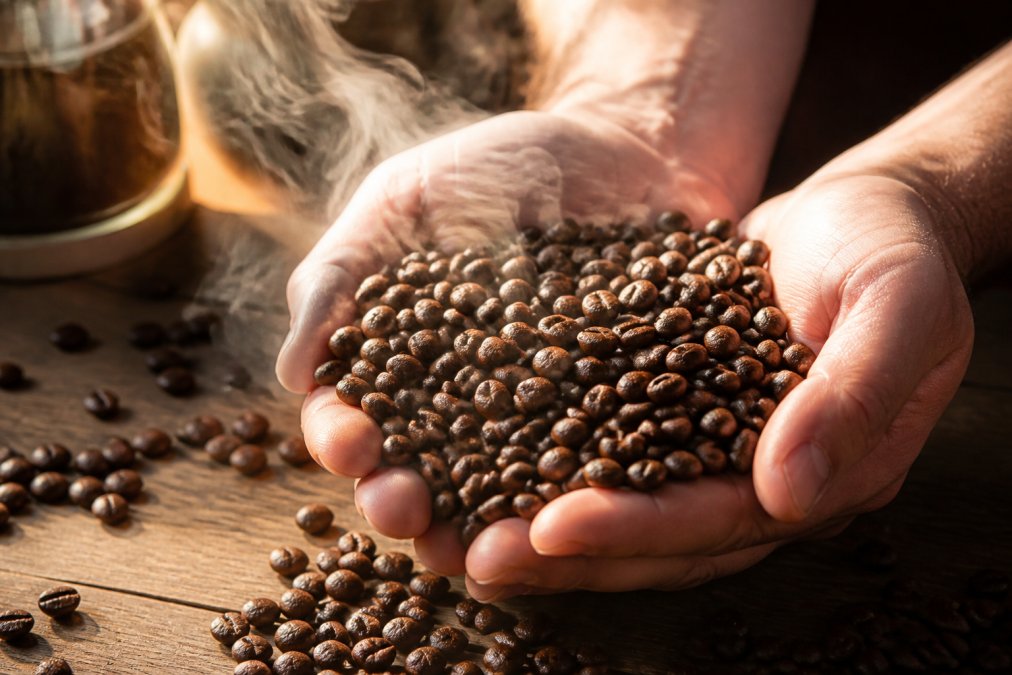
The flavor difference is equally dramatic. Fresh beans showcase the intended cupping notes, those tasting descriptors like "chocolate," "citrus," or "caramel" that roasters carefully develop. These notes fade quickly. A bean roasted two weeks ago tastes noticeably different from one roasted yesterday. The acidity is brighter, the body is fuller, and the aftertaste lingers pleasantly instead of disappearing flat. With freshly roasted coffee beans, you're tasting what the roaster intended. With older beans, you're tasting the ghost of that intention.
The sensory experience extends to mouthfeel as well. Fresh beans produce a smoother, more balanced cup. The extraction feels cleaner, the flavors layer properly, and each sip reveals something new. This is why coffee enthusiasts obsess over roast dates. It's not snobbery, it's the difference between a good cup and a transcendent one.
How Long Do Coffee Beans Stay Fresh After Roasting
Coffee beans don't have a sharp expiration date where they're perfect one day and ruined the next. Instead, they follow a freshness window, a period where they're at their best, then a gradual decline into staleness.
Most coffee professionals agree that the optimal freshness window spans 2-4 weeks after roasting. During this period, your beans have completed their degassing process (the release of carbon dioxide that happens immediately after roasting) and have settled into their final flavor profile. This is when extraction is easiest and flavors are brightest.
The first 3-5 days after roasting, beans are still actively degassing. They'll work in your cup, but they're not quite ready. The bloom will be aggressive, and some flavors may taste sharp or underdeveloped. By day 7, most beans hit their stride. Days 7-21 represent the sweet spot for freshly roasted coffee beans, this is when flavor complexity peaks and extraction becomes most forgiving.
After 4 weeks, decline accelerates. The beans haven't gone bad, but the volatile compounds responsible for brightness and complexity have oxidized away. By 8 weeks, most of the sensory advantage is gone. The coffee is still drinkable, but you're no longer experiencing what the roaster created.
Storage conditions dramatically affect this timeline. Beans kept in an airtight container at room temperature last longer than those exposed to air, heat, or light. Proper storage can extend your freshness window by several weeks. Poor storage can collapse it in days.
This is why buying smaller quantities more frequently beats buying in bulk. A half-pound bag consumed within 2-3 weeks will taste better than a 5-pound bag that sits in your pantry for months. Cenia's Coffee sample packs like the Single Origin Favorites Sample Pack are designed exactly for this, you get variety and freshness without waste.

How to Store Coffee Beans for Maximum Freshness
Storing freshly roasted coffee beans properly is non-negotiable if you want to preserve that initial quality. The enemies of freshness are four: oxygen, light, heat, and moisture. Your storage strategy must defend against all of them.
Start with an airtight container. This is the single most important factor. Glass jars with rubber seals, opaque canisters with locking lids, or the original coffee bag (if it has a one-way valve) all work. The goal is to minimize oxygen exposure. Every time you open your container, oxygen enters and begins oxidizing the beans. Frequent opening degrades freshness faster than you'd expect.
Light is the second concern. UV light accelerates oxidation and breaks down flavor compounds. Store your beans in a dark container or in a dark cupboard. Clear jars look nice on the counter, but they're working against you. Opaque containers protect your investment.
Temperature matters, but not as much as people think. Room temperature (around 65-70°F) is ideal. Avoid heat sources, don't store beans near your stove, oven, or sunny window. Cold slows oxidation, but most home refrigerators introduce moisture and temperature fluctuations that cause more harm than good. Room-temperature storage in an airtight, opaque container beats refrigeration for most situations.
Humidity is the final factor. Coffee beans absorb moisture, which accelerates the staling process and can introduce mold in extreme cases. Keep your storage area dry. If you live in a very humid climate, adding a small desiccant packet to your container can help, but this is rarely necessary.
The practical storage setup: Use an airtight, opaque container. Keep it in a cool, dark cupboard away from heat sources. Store whole beans, not pre-ground. Grind immediately before brewing. Follow this approach and your freshly roasted coffee beans will maintain peak quality for 3-4 weeks.
Signs of Stale Coffee Beans and When to Replace Them
Knowing when your beans have crossed from fresh to stale helps you avoid brewing disappointing cups. Several signs indicate your beans are past their prime and should be replaced.
The most obvious indicator is the aroma. Fresh beans smell vibrant and complex. Stale beans smell flat, muted, or slightly musty. Open your container and take a deep breath. If the smell doesn't excite you, the beans probably won't excite your palate either.
Visual inspection provides another clue. Fresh beans have a visible sheen from natural oils. As beans age, they lose this sheen and look dull and dusty. The color also matters, beans that have been exposed to light or heat may look faded compared to their original rich brown. Discoloration or visible mold (rare, but possible in humid conditions) means the beans are no longer safe to use.
The bloom test during brewing reveals freshness. When you pour hot water over fresh grounds, they expand noticeably, this is the bloom. The more vigorous the bloom, the fresher the beans. Stale beans barely bloom at all. If your grounds sit almost flat when water hits them, you're dealing with older beans.
Taste is the final arbiter. Stale coffee tastes flat, one-dimensional, and slightly bitter in an unpleasant way. Fresh coffee tastes bright, layered, and clean.
Health Benefits and Antioxidants in Fresh Coffee
Fresh coffee delivers more antioxidants and bioactive compounds than aged coffee. This matters if you're drinking coffee partly for its health properties, and many people are.
The Real Cost Advantage of Buying Fresh-Roasted Coffee
Many people assume that buying freshly roasted coffee beans costs more than supermarket alternatives. The reality is more nuanced. While per-pound pricing might be higher, the actual cost-per-cup often favors fresh-roasted options when you factor in quality, waste, and brewing efficiency.
Frequently Asked Questions
Are freshly roasted coffee beans actually better than store-bought?
Yes. Freshly roasted coffee beans retain volatile compounds and CO2 that create aroma and flavor complexity. Store-bought beans, often weeks old, lose these compounds through oxidation and degassing. The difference is most noticeable in the first two weeks after roasting, when cupping notes are most vibrant and the sensory experience is at its peak.
How long do coffee beans stay fresh after the roast date?
Coffee beans maintain peak freshness for 2-4 weeks after roasting. The first week is ideal, when the bloom effect (CO2 release during brewing) is strongest and flavor is most complex. After 4 weeks, oxidation accelerates and flavor degrades noticeably. Whole beans last longer than pre-ground coffee, which stales within days due to increased surface area exposure to oxygen.
What's the best way to store coffee beans to keep them fresh?
Store whole beans in an airtight container away from heat, light, and moisture. A cool, dark pantry or cabinet is ideal. Avoid the freezer unless you're storing beans longer than a month. Keep beans in their original bag if it has a one-way valve, which allows CO2 to escape while blocking oxygen. Check the roast date on your bag and aim to use beans within 2-4 weeks for optimal freshness.
How can I tell if my coffee beans have gone stale?
Stale beans show several signs: dull, flat appearance instead of a glossy sheen, weak or absent aroma when you open the bag, and thin, watery flavor instead of complexity. If beans are older than 4-6 weeks past the roast date, they've likely begun the rancidity process. Fresh beans should smell vibrant and aromatic; stale beans smell flat or papery. Grind a small amount to check, fresh grounds release rich aroma immediately.