

How to Choose Coffee Roast Profile: A 2026 Guide
Table of Contents
- Understanding Coffee Roast Profiles
- Light vs. Dark Roast Flavor Profile Differences
- Matching Roast Profiles to Your Brewing Method
- Best Coffee Beans for Home Brewing
- How to Store Fresh Roasted Coffee Beans
- Sensory Evaluation for Beginners
- Making Your Choice: A Step-by-Step Framework
- Frequently Asked Questions
Last Updated: September 1, 2026
Understanding Coffee Roast Profiles
A coffee roast profile is the precise combination of heat intensity, duration, and airflow applied to green coffee beans during roasting. It determines bean density, moisture content, and the chemical reactions that unlock flavor. Different profiles bring out different characteristics from the same origin beans, a Tanzania coffee roasted light tastes nothing like the same bean roasted dark.
What Happens During Roasting
The roasting process transforms green beans into aromatic, flavorful coffee through two critical chemical reactions: the Maillard reaction and caramelization.
Around 350°F, the Maillard reaction begins, creating hundreds of flavor compounds with nutty, chocolatey, and earthy notes (peer-reviewed research). At 400°F, you hear the first crack, moisture and CO2 escaping as the bean expands and density drops. Push past first crack and caramelization takes over around 420-430°F (second crack), where sugars break down and recombine into deeper, bolder flavors. The longer you roast past second crack, the more origin characteristics fade and roast character dominates. The difference between a great medium roast and an over-roasted one is sometimes just 30 seconds.
The Role of Time and Temperature
Temperature alone doesn't tell the whole story. Rate of rise, how quickly beans climb from 300°F to 400°F, fundamentally shapes the roast. A slow, gentle rise extracts more origin characteristics and preserves subtle fruity or floral notes. A fast, aggressive rise creates more roast-forward, bolder flavors.
Environmental temperature matters too. Professional roasters track ambient temperature and adjust accordingly. The target end temperature depends on your roast profile: light roasts typically end at 350-380°F, medium roasts between 400-410°F, and dark roasts past 420°F. But visual cues, bean color, smoke density, and the sounds of first and second crack, matter more than thermometer readings.
Light vs. Dark Roast Flavor Profile Differences
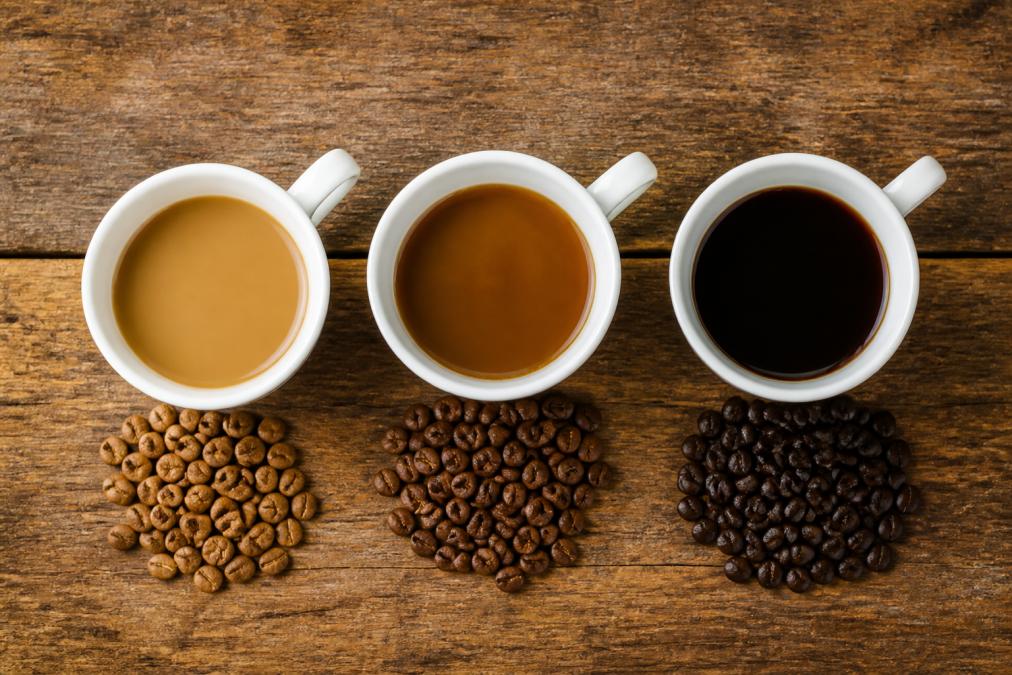
The most visible difference between roast levels is color, but what matters more is how that color reflects what's happening chemically inside the bean. Light roasts preserve more of what the origin contributes. Dark roasts obliterate origin characteristics and let the roast itself become the dominant flavor.
Light Roasts: Origin Characteristics and Acidity
Light roasts are pulled shortly after first crack. The bean remains relatively dense, and the interior hasn't fully opened up, so more original compounds survive roasting. They taste bright with higher acidity, not sour, but the kind that makes your palate feel alive and engaged. A light roast from Tanzania might show pear, floral, and jasmine notes. The roast isn't competing with the origin; it's amplifying it.
Light roasts extract more slowly than dark roasts because the bean structure is denser, which is why they shine in pour-over or espresso but taste flat in a French press. They also retain more caffeine since fewer caffeine molecules break down during shorter roasting. The downside: light roasts are less forgiving. Small changes in water temperature, grind size, or brew time create bigger flavor shifts, which is why many beginners find them disappointing.
Medium Roasts: Balance and Versatility
Medium roasts represent the sweet spot for most drinkers. Roasted past first crack but well before second crack (typically 405-410°F), they preserve enough origin character to be interesting while introducing enough roast flavor to be forgiving. They have balanced acidity, fuller body than light roasts, and flavor notes of chocolate, caramel, and subtle fruit rather than bright citrus or florals. Medium roasts work across more brewing methods and are more forgiving of brewing mistakes.
The Gourmet Donut Shop blend from Cenia's Coffee is a light-medium roast offering cocoa, caramel, and mild fruit notes, enough complexity to be interesting but approachable for everyday brewing.
Dark Roasts: Body, Bitterness, and Bold Flavor
Dark roasts are roasted past second crack. The bean is porous, oily on the surface, and origin character has largely burned away. What you taste is roast character: bold, heavy, bitter. Body is full and syrupy with low or nearly absent acidity. Flavor notes are chocolate, smoke, burnt sugar, and sometimes woody or ashy undertones.
Dark roasts work well in French press, Turkish, and espresso brewing. They're also more forgiving of water quality issues. The trade-off: dark roasts have less caffeine than light roasts and are more likely to taste bitter or over-roasted if not roasted with precision.
Matching Roast Profiles to Your Brewing Method
Understanding how your brewing method interacts with roast profiles is essential. A roast profile perfect for espresso might taste thin in a French press.
Pour-Over and Drip Brewing
Pour-over and drip methods are forgiving with medium and light roasts. Hot water flows through grounds quickly, extracting flavor efficiently. Light roasts shine here because the brewing method compensates for the bean's density. Medium roasts brew clean and balanced. Dark roasts work but aren't optimal, quick extraction can make them taste thin because there's less soluble material left to extract.
For pour-over, start with light-to-medium roasts. The Ethiopia Natural from Cenia's Coffee, a medium-light roast with milk chocolate and fruity notes, is an excellent choice.

Espresso and Moka Pot
Espresso demands medium-to-dark roasts. The extraction happens under pressure in 25-30 seconds, and this fast, forceful extraction works best with more porous beans that release flavor quickly. Light roasts in espresso often taste sour or thin. Medium roasts extract cleanly and produce balanced shots. Dark roasts make bold, heavy espresso that works well in milk-based drinks.
The French Roast from Cenia's Coffee, a dark roast blend from Central America, is built for espresso and milk drinks, with bold flavor that cuts through milk.
French Press and Immersion Methods
French press is the opposite of pour-over. Water sits with grounds for 4-5 minutes, extracting heavily. Light roasts in a French press often taste muddy or over-extracted. Medium roasts work better but can still taste heavy. Dark roasts are ideal because the bean's porous structure and lower solubility prevent over-extraction, delivering bold, clean flavor.
Best Coffee Beans for Home Brewing
The roast profile is only half the equation. Bean quality, origin, and freshness matter equally.
Single-Origin vs. Blended Beans
Single-origin beans come from one specific farm or region and express terroir, the influence of altitude, soil, climate, and processing method. They're great for learning since each origin has a distinct flavor signature. Blends combine beans from multiple origins, creating balanced, consistent flavor profiles that are more forgiving and consistent batch-to-batch.
For home brewing, start with single-origin beans to learn what terroir sounds like. The Tanzania from Cenia's Coffee offers pear and floral notes. The Gourmet Donut Shop blend provides a balanced entry point with cocoa, caramel, and mild fruit.

Freshness and Roast Date
Freshness is non-negotiable. Coffee peaks in flavor 5-14 days after roasting (light roasts peak faster at 5-7 days; dark roasts peak slower at 10-14 days) (peer-reviewed research). After peak, coffee gradually loses flavor through degassing and oxidation.
Always check the roast date. If it's not printed, don't buy it. If it's older than 30 days, the coffee has lost significant flavor. Cenia's Coffee's roast-to-order model means beans are roasted when you order, arriving at peak freshness rather than after sitting in a warehouse.
How to Store Fresh Roasted Coffee Beans
Container and Environment Essentials
Store beans in an airtight, opaque container away from light, heat, and moisture. Oxygen causes oxidation, which degrades flavor compounds. Light causes photodegradation. Heat accelerates all chemical reactions that break down flavor.
Room temperature (68-72°F) is ideal (the FDA). Never refrigerate beans, temperature fluctuations introduce moisture that damages flavor. Never freeze unless storing for months, and thaw completely before opening to avoid condensation. Store in a dry place like a pantry or cupboard away from appliances.
Degassing and Peak Flavor Window
Immediately after roasting, beans release CO2 through degassing. This is normal and necessary. During the first 24-48 hours, degassing is rapid. By day 5, most CO2 has escaped, though some continues for weeks.
The peak flavor window, when coffee tastes best, is when degassing has mostly finished but oxidation hasn't started. For most roasts, that's days 5-14 after roasting. For very light roasts, it's days 5-7. For very dark roasts, it's days 10-14. This is why roast date matters so much.
Sensory Evaluation for Beginners
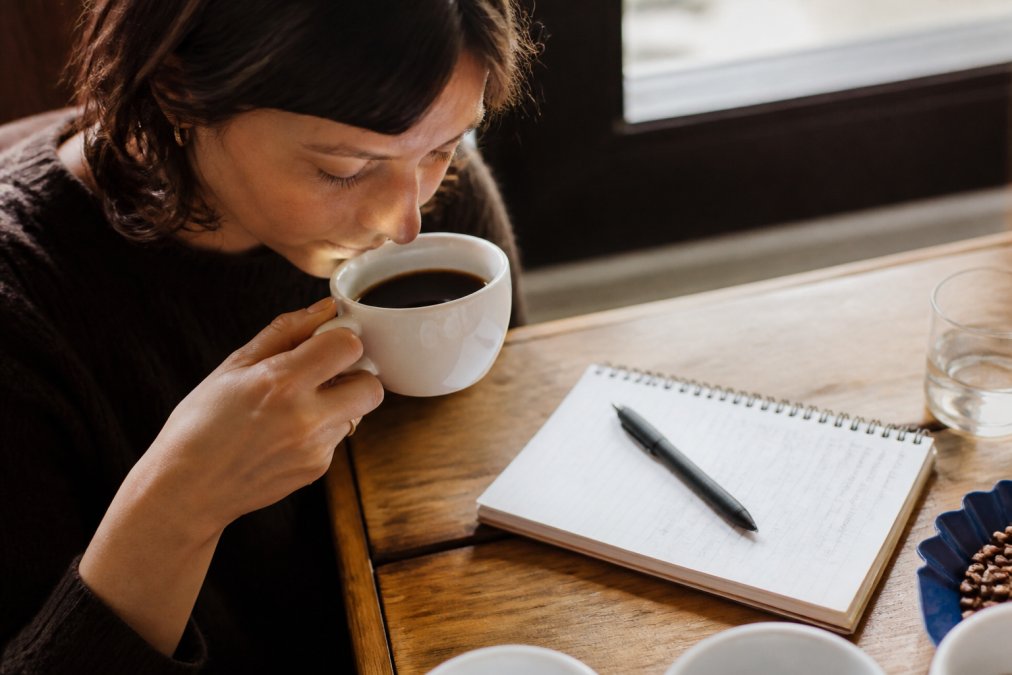
Learning to taste coffee intentionally changes how you experience it. Start with aroma. Before tasting, smell the coffee, aroma reveals flavor notes you'll encounter. A fruity aroma suggests fruity flavors.
Next, note the body, the weight and texture on your palate. Light roasts feel thin and crisp. Medium roasts feel balanced. Dark roasts feel heavy and syrupy. Then taste. Take a small sip and let it coat your mouth for a few seconds. Notice the initial flavor, middle notes, and finish. Finally, note the acidity, the lively, sharp sensation on your palate. It's strongest in light roasts and weakest in dark roasts.
Brew three different roast levels the same way, taste them in order from light to dark, and notice the differences. This single exercise teaches you more than reading guides.
Making Your Choice: A Step-by-Step Framework
Step 1: Identify Your Brewing Method
Your brewing method constrains your choices more than anything else.
Pour-over or drip: light-to-medium roasts are ideal.
Espresso or Moka pot: medium-to-dark roasts are ideal.
French press: medium-to-dark roasts are ideal.
Turkish or cowboy coffee: dark roasts are ideal.
Step 2: Determine Your Flavor Preference
Do you want bright, fruity, floral flavors? Choose light roasts. Balanced, approachable flavors with chocolate and caramel? Choose medium roasts. Bold, heavy, bitter flavors? Choose dark roasts. If you've never tried each, order one and taste it. After sampling all three, your preference becomes clear.
Step 3: Consider Bean Origin and Freshness
Once you know your roast level, consider origin. African coffees often taste fruity and floral. Central American coffees often taste balanced with chocolate and nuts. Asian coffees often taste earthy and full-bodied.
Check the roast date. If it's more than 30 days old, skip it.
Step 4: Start with Smaller Quantities
Don't buy a 5-pound bag of a roast profile you've never tried. Buy a 12-ounce bag first. Brew it several times and see if it matches your expectations. This prevents waste and lets you explore without commitment.
| Step | Action | Outcome |
|---|---|---|
| 1 | Identify your brewing method | Narrows roast level options |
| 2 | Determine flavor preference | Selects light, medium, or dark |
| 3 | Consider origin and freshness | Adds specificity and quality |
| 4 | Start small and test | Confirms choice before committing |
Choosing a coffee roast profile doesn't require expertise. It requires understanding how roasting chemistry shapes flavor, how your brewing method influences extraction, and what your palate enjoys. Start with your brewing method, match it to an appropriate roast level, and order a small quantity of fresh beans. Brew them intentionally and notice what you taste.
At Cenia's Coffee, we roast to order so your beans arrive at peak freshness. Whether you're drawn to the bright complexity of our Tanzania single-origin, the balanced versatility of our Gourmet Donut Shop blend, or the bold character of our French Roast dark roast, you'll receive beans roasted specifically for your order. Start with a smaller quantity, explore what resonates with your brewing method and palate, and build from there. That's how coffee discovery works, one intentional cup at a time.

Frequently Asked Questions
What is the difference between light and dark roast coffee?
Light roasts are removed from heat shortly after first crack, preserving origin characteristics and higher acidity with brighter, fruity or floral notes. Dark roasts develop past second crack, losing origin flavors but gaining deeper body, bitterness, and bold chocolate or smoky notes. Medium roasts balance both, offering moderate acidity with balanced flavor and body.
How do I choose a coffee roast profile for my brewing method?
Match roast level to extraction time: pour-over and drip work well with light to medium roasts; espresso benefits from medium to dark roasts for balanced extraction; French press pairs with medium to dark roasts to cut through immersion's heavier mouthfeel. Your brewing method's contact time determines which roast profile will extract optimally.
What makes the best coffee beans for home brewing?
The best coffee beans are fresh-roasted (ideally within 2-4 weeks of roast date), sourced from reputable farms with transparency about origin and altitude, and matched to your brewing method and taste preference. Single-origin beans highlight regional characteristics; blends offer consistency. Cenia's Coffee offers fresh-roasted single-origin and blended options like Tanzania and Ethiopia Natural at $22.99 each, roasted to order for maximum flavor.
How long can I store fresh roasted coffee beans?
Store beans in an airtight container away from heat, light, and moisture for up to 2-3 weeks at peak flavor. Allow 3-7 days after roasting for degassing before brewing for optimal taste. After 3-4 weeks, beans begin losing aromatic compounds and flavor complexity. Smaller, frequent orders preserve freshness better than bulk buying.
Does roast level affect caffeine content?
Roast level has minimal impact on caffeine content. Light, medium, and dark roasts contain nearly identical caffeine amounts per bean. The perception of 'stronger' dark roast comes from increased body and bitterness, not higher caffeine. If caffeine content is your priority, brewing method and bean-to-water ratio matter far more than roast profile.
What is first crack and second crack in coffee roasting?
First crack is an audible popping sound occurring around 350-400°F when internal bean moisture rapidly expands, marking the transition to light roast. Second crack happens at higher temperatures (around 420°F+), indicating darker roasts. Light roasts finish shortly after first crack; medium roasts fall between cracks; dark roasts develop past second crack, creating the oily, dark appearance.
This article was written using GrandRanker