

How to Brew Balanced Coffee at Home
Table of Contents
- Understanding What Makes Coffee Balanced
- Coffee Brewing Ratios for Beginners
- How to Adjust Coffee Grind Size for Extraction
- Water Temperature and Contact Time
- Coffee Extraction Troubleshooting Guide
- Brewing Methods That Deliver Balance
- Fresh Beans, Roast Level, and Altitude Impact
- Building Your Home Brewing Setup
- Frequently Asked Questions
Last Updated: September 29, 2026
Understanding What Makes Coffee Balanced
To brew balanced coffee, you need a cup where no single flavor dominates. Sweetness, acidity, and bitterness work together in harmony. When extraction is right, you taste the bean's origin and roast character clearly.
Coffee Brewing Ratios for Beginners
The coffee-to-water ratio determines strength and extraction potential. The most common starting point is the 1:16 golden ratio.
The 1:16 Golden Ratio
Use 1 gram of coffee for every 16 grams of water (example: 25 grams coffee with 400 grams water). Measure by weight, not volume, a kitchen scale under $20 eliminates guesswork and is the single biggest improvement most home brewers make.
Adjusting Strength Without Sacrificing Balance
If 1:16 tastes weak, move to 1:15; if too strong, move to 1:17. Small changes create noticeable differences. Don't jump to 1:10 hoping for strength, you'll get bitterness instead. Strength and balance are separate: you can have a strong, balanced cup at 1:14 or a weak, balanced cup at 1:18.
| Ratio | Brew Strength | Best For | Typical Brew Time |
|---|---|---|---|
| 1:18 | Light | Delicate, fruity beans | 3-4 minutes |
| 1:16 | Medium | Most coffees | 3-4 minutes |
| 1:14 | Strong | Bold, dark roasts | 3-4 minutes |
| 1:12 | Very Strong | Espresso-style intensity | 2-3 minutes |
How to Adjust Coffee Grind Size for Extraction
Grind size controls water flow speed: finer grinds slow it, coarser grinds speed it up. Slower contact time extracts more; faster extracts less. This is the lever you pull when the ratio is right but the flavor is off.
Grind Consistency and Particle Uniformity
Grind consistency matters as much as grind size. A burr grinder produces uniform particles; a blade grinder produces chaos with particles ranging from powder to pebbles, causing uneven extraction. Invest in a burr grinder (flat or conical both work), the difference between a $30 burr grinder and a $3 blade grinder is the difference between balanced and broken coffee.
Matching Grind to Your Brewing Method
Each brewing method has a natural grind range where extraction works best. Pour-over needs medium-fine grind (sea salt consistency, 3-4 minute flow time). French press needs coarse grind (breadcrumbs consistency, 4-minute immersion). AeroPress needs medium-fine grind (table salt consistency, 1-2 minute brew time).
Water Temperature and Contact Time
Water temperature and contact time work together: hotter water extracts faster, cooler water extracts slower. Target 195-205°F for most methods (below 195°F tastes thin, above 205°F becomes bitter). Let boiling water cool 30 seconds before pouring. Contact times vary by method: pour-over 3-4 minutes, French press 4 minutes, AeroPress 1-2 minutes.
Coffee Extraction Troubleshooting Guide
Extraction is the percentage of soluble compounds that end up in your cup. Under-extraction tastes sour, over-extraction tastes bitter, balanced extraction tastes sweet and complex.
The Flavor-to-Variable Diagnostic Chart
Sour or thin taste = Under-extraction. Water didn't contact grounds long enough or was too cool. The cup tastes acidic, lacks sweetness, and feels thin.
Adjustment Priority: Which Lever to Pull First
When you identify the flavor problem, adjust variables in this order:
For sour coffee:
- Increase contact time first (brew 30 seconds longer). This is the easiest adjustment and works 70% of the time.
- If still sour, use a finer grind (slows water flow, increases contact time further).
- If still sour, raise water temperature by 3-5°F.
- Last resort: increase coffee amount (lower ratio from 1:16 to 1:15).
For bitter coffee:
- Use a coarser grind first (water flows faster, less contact time). This is the most effective lever for bitterness.
- If still bitter, lower water temperature by 3-5°F.
- If still bitter, reduce brew time by 30 seconds.
- Last resort: decrease coffee amount (higher ratio from 1:16 to 1:17).
For weak or watery coffee:
- Increase coffee amount (lower ratio from 1:16 to 1:14). More coffee = more flavor compounds available.
- If still weak, increase contact time by 30-60 seconds.
- If still weak, use a finer grind.
- Last resort: raise water temperature by 3-5°F.
Why One Variable at a Time Matters
Changing multiple variables at once creates confusion. Brew the same coffee three times, changing only one variable per brew. Taste all three side-by-side to see which direction the flavor moved and how your equipment responds.
Balanced Extraction Tastes Like This
When you brew balanced coffee, it tastes sweet first, followed by origin character (fruity notes, chocolate, nuts, floral hints), with a clean finish where slight acidity and bitterness appear but neither dominates. If you taste bitterness or sourness first, extraction is off.
Brewing Methods That Deliver Balance
Different brewing methods use different extraction principles. Understanding your method helps you dial in balance faster.
Pour-Over Brewing for Precision
Pour-over gives you control over water temperature, pour rate, and contact time. Use medium-fine grind, 1:16 ratio, and 3-4 minute flow time. Bloom the grounds first (30 seconds) to release trapped carbon dioxide, then pour slowly. This active attention is why pour-over produces balanced cups consistently.
French Press and Immersion Brewing
French press uses immersion: grounds sit in water for 4 minutes with no pouring technique required. Use coarse grind and 1:16 ratio. Add grounds, pour hot water, stir gently after 30 seconds, wait 4 minutes, then press slowly. Immersion brewing is forgiving and produces consistent extraction, but you can't adjust mid-brew.
Single Origin Favorites Sample Pack →
Auto-Drip and AeroPress Options
Auto-drip machines handle temperature and contact time automatically, quality matters, as cheap machines brew at wrong temperatures. AeroPress is a hybrid using pressure and immersion together with short brew time (1-2 minutes) but full pressure control. For auto-drip: use fresh beans, medium grind, and clean water.
Fresh Beans, Roast Level, and Altitude Impact
Fresh beans extract more evenly than stale beans. Use beans within 2-3 weeks of the roast date. If there's no roast date on the bag, the beans are probably old.
Roast Level as a Brewing Variable
Roast level fundamentally changes how a bean extracts. Light, medium, and dark roasts require different brewing parameters to achieve balance.
Medium roasts are the most forgiving. They extract well across a wide temperature and time range.
- Use water temperature of 200-202°F
- Aim for 3-4 minutes contact time
- Use medium-fine grind
- This is the "sweet spot" for most home brewers
Why Roast Level Changes Extraction Speed
During roasting, the bean's structure changes. Longer roasts create more cracks and fissures, allowing water to penetrate faster. A dark roast bean extracts in 3 minutes what a light roast takes 4.5 minutes to extract. Using the same brewing parameters for all roasts fails because you're fighting the roast level instead of working with it.
Altitude and Water Temperature Adjustments
Altitude affects water's boiling point, which affects extraction temperature.
At sea level: Water boils at 212°F. Target brewing temperature is 200°F.
Altitude adjustment strategies:
-
Increase contact time. If you live at 5,000 feet, increase brew time by 30-60 seconds to compensate for cooler water.
-
Use a finer grind. Finer particles extract faster, compensating for lower water temperature.
-
Increase coffee amount. Lower the ratio from 1:16 to 1:15. More coffee means more flavor compounds available even with slower extraction.
-
Use a gooseneck kettle with a thermometer. At altitude, you need precise temperature control. A standard kettle won't tell you the actual water temperature. A gooseneck kettle with a built-in or attached thermometer lets you see exactly what temperature you're brewing at.
Combining Roast Level and Altitude
At altitude with light roast, adjustments compound: use the hottest water your kettle can produce, increase contact time by 60+ seconds, and use a finer grind. With dark roast at altitude, use standard altitude-adjusted temperature and contact time, dark roasts often extract perfectly at altitude without modification.
Fresh Bean Sourcing and Roast Date Awareness
Beans peak in flavor 5-14 days after roasting and remain excellent through 3 weeks. At 4+ weeks, flavor fades noticeably. Check the roast date when buying; if a retailer won't provide it, the beans are likely old. Stale beans taste flat regardless of brewing method, fresh beans are the foundation.
Building Your Home Brewing Setup
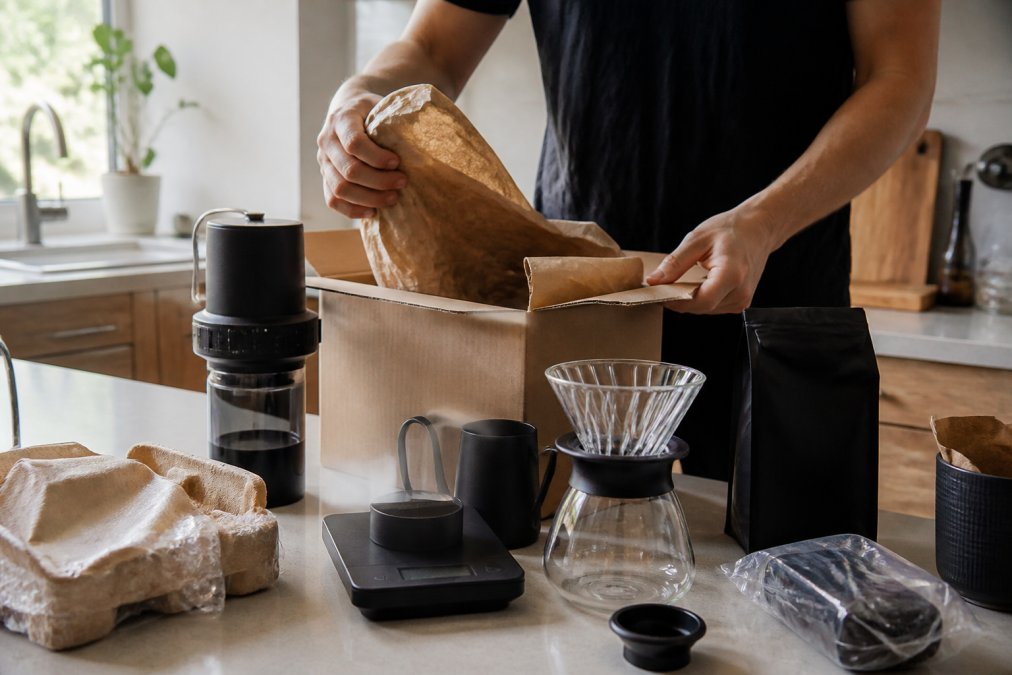
You need the right equipment, not expensive equipment. Essential gear: burr grinder ($30-100), digital scale ($15-30), timer (phone works), brewing vessel ($20-60), and temperature-controlled kettle ($30-80). The grinder and scale are non-negotiable. Start with one brewing method and master it before exploring others, skills transfer across methods.
Frequently Asked Questions
What is the best coffee-to-water ratio for balanced brewing?
The 1:16 ratio is the industry standard for balanced coffee. This means 1 gram of coffee to 16 grams of water. For example, use 25 grams of coffee with 400 grams of water. This ratio produces a cup with good body, sweetness, and acidity. You can adjust slightly based on your brewing method and taste preference, but staying close to this ratio ensures consistent, balanced results.
How does grind size affect coffee balance and extraction?
Grind size directly controls how quickly water extracts flavors from coffee grounds. Finer grinds increase surface area, speeding extraction and risking over-extraction (bitterness). Coarser grinds slow extraction, risking under-extraction (sourness). For balanced coffee, use a burr grinder for consistency and match your grind to your brewing method. Pour-over typically needs medium-fine; French press needs coarse; AeroPress works well with medium.
What water temperature should I use to brew balanced coffee?
Water between 195-205°F produces the most balanced extraction. Temperatures below 195°F under-extract, resulting in weak, sour coffee. Above 205°F over-extracts, creating bitter, harsh flavors. If using freshly boiled water, wait 30 seconds before pouring. Using filtered water also improves balance by removing minerals and chlorine that interfere with flavor development and sweetness.
How can I troubleshoot bitter or sour coffee at home?
Bitter coffee signals over-extraction: use a coarser grind, reduce brew time, or lower water temperature. Sour coffee signals under-extraction: try a finer grind, increase brew time, or use hotter water. Also check your coffee freshness, stale beans won't extract properly. Keep a timer and scale handy to track your variables. Small adjustments to one variable at a time help you identify what's causing the imbalance.
Brewing balanced coffee at home comes down to understanding three things: ratio, grind size, and temperature. Master these and you'll taste the difference immediately. Your morning cup stops being an afterthought and becomes something you actually look forward to. Start with fresh beans from Cenia's Coffee, dial in your ratio with a scale, and adjust your grind size based on what you taste. Within a week, you'll be brewing better coffee than most coffee shops.